
How to Prepare Your Tampa Home for a Hurricane in 2026: Homeowner Checklist
A practical Tampa hurricane preparation guide for homeowners, renters, landlords, property managers, and PadSplit hosts who want to inspect, repair, clean, secure, and plan before storm season.
What This Guide Covers
This guide explains how to prepare your Tampa home for hurricane season by checking the roof, gutters, drainage, shutters, windows, doors, trees, utilities, and rental property responsibilities before severe weather arrives.
- Why Tampa homes should be prepared before hurricane season starts
- A home maintenance hurricane preparation checklist for exterior, interior, and utility safety
- Hurricane roof prep tips Tampa Bay homeowners should prioritize
- How to reduce risks from clogged gutters, poor drainage, loose outdoor items, leaks, and mold
- Rental property preparation tips for landlords, property managers, and PadSplit hosts
- When to hire a local Task Pro for hurricane-prep work
Quick Answer
To prepare your home for hurricane season in Tampa, start before June 1 by inspecting the roof, cleaning gutters, checking drainage, testing shutters, trimming trees, securing outdoor items, reviewing utility safety, and scheduling needed repairs before local service providers become harder to book.
Why Tampa Homes Need Hurricane Preparation Before the Season Starts
To prepare your home for hurricane season in Tampa, it takes more than buying bottled water and batteries the week a storm appears on the forecast map. A strong hurricane plan should also include roof checks, gutter cleaning, drainage cleanup, shutter preparation, tree trimming, leak prevention, and clear communication with everyone who lives in or manages the property.
The 2026 Atlantic hurricane season runs from June 1 through November 30, so Tampa-area homeowners should review home maintenance, evacuation, and storm-safety plans before the season begins. Florida Division of Emergency Management
For homeowners, renters, landlords, property managers, and PadSplit hosts across the Tampa Bay area, hurricane preparation should start before storm activity increases. This checklist focuses on the home maintenance side of storm readiness: what to inspect, repair, clean, secure, and schedule before heavy wind and rain become a problem.
Tampa hurricane preparation is easier when it starts early. Once a storm is named or forecast models begin pointing toward Florida, roofers, tree crews, gutter cleaners, handyman services, and shutter installers may already be booked. Supplies and repair materials can also become harder to find.
In Tampa, storm preparation should account for heavy tropical rain, wind-driven water, tree debris, drainage problems, and possible power outages, especially for homes or rental properties that already show signs of leaks, clogged gutters, or poor yard drainage.
Emergency supplies are important, but they are only one part of a complete hurricane preparation checklist. Food, water, medication, flashlights, and evacuation plans help protect people. Home maintenance can help reduce avoidable weak points before wind and rain arrive.
To prepare your home for hurricane season, look at the property from the roof down to the drainage around the foundation. Loose shingles, clogged gutters, weak tree limbs, cracked window seals, and poor drainage may seem minor during normal weather. During a tropical storm or hurricane, those weak points can quickly become leaks, flooding, broken glass, or flying debris.
For landlords, property managers, and PadSplit hosts, Florida hurricane preparation should be treated as seasonal property maintenance. Rental homes and shared housing properties need clear instructions, early repairs, and safe common areas before storm conditions develop.
Tampa, Florida
Tampa-Specific Hurricane Preparation Note
Tampa-area storm preparation should account for heavy tropical rain, wind-driven water, tree debris, drainage problems, possible power outages, and evacuation-zone planning.
Before each hurricane season, check local emergency resources and re-check your address if evacuation guidance changes. This is especially important for rental homes, shared housing properties, and homes with known drainage or flood-risk concerns.
Hurricane Preparation Checklist for Tampa Homes
A good storm prep checklist for home maintenance should cover the exterior, interior, utilities, and safety planning.
Exterior Home Checklist
Start outside, where the home takes the first impact from wind, rain, and debris.
Check these areas before hurricane season:
- Inspect the roof for missing shingles, loose tiles, damaged flashing, or sagging areas.
- Clean gutters and downspouts.
- Make sure water drains away from the foundation.
- Trim trees and remove weak or overhanging branches.
- Secure patio furniture, grills, planters, tools, and storage bins.
- Inspect fences, sheds, gates, and loose exterior items.
- Test shutters, windows, sliding glass doors, and exterior doors.
After a normal rainstorm, walk around the property and look for pooling water, overflowing gutters, or soft soil near the foundation. These issues can become worse during heavy tropical rain.
Interior Home Checklist
Inside the home, look for signs that water may already be entering.
Check for:
- Ceiling stains.
- Wall discoloration.
- Musty odors.
- Damp flooring near doors or windows.
- Bubbling paint or drywall.
- Previous leak areas.
- Attic moisture or damp insulation.
Protect important documents in waterproof storage or digital backups. Also identify the safest interior room in the home in case conditions become severe and you are not under an evacuation order.
Safety and Utility Checklist
Before hurricane season, make sure everyone in the home knows:
- Where the electrical panel is located.
- How to contact the landlord, property manager, or emergency maintenance contact.
- Whether the property is in an evacuation zone.
- Where backup lighting is stored.
- How to prepare for a power outage.
- Which local alerts to follow.
Use local resources such as Hillsborough County evacuation information, City of Tampa emergency updates, Ready.gov hurricane safety guidance, and Tampa Electric storm resources when building your plan. Hillsborough County’s Hurricane Evacuation Assessment Tool helps residents check whether an address is in one of the county’s evacuation zones. Hillsborough County evacuation information
Hurricane Roof Prep Tips Tampa Bay Homeowners Should Prioritize
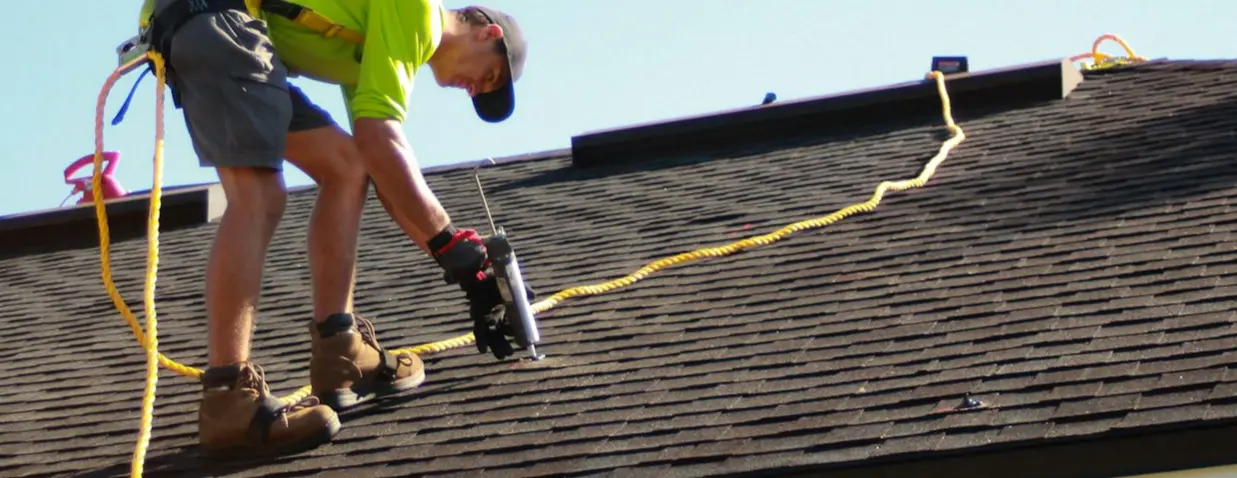
The roof is one of the most important parts of hurricane home maintenance. These hurricane roof prep tips Tampa Bay homeowners should prioritize can help identify weak points before heavy rain and wind expose them.
Schedule a Roof Inspection Before Hurricane Season
A hurricane roof inspection Tampa homeowners schedule early can help identify:
- Missing shingles.
- Loose or cracked tiles.
- Damaged flashing.
- Soft spots.
- Sagging roof areas.
- Previous leak locations.
- Roof age concerns.
- Signs of storm vulnerability.
Older roofs, homes with previous storm damage, and properties with repeated leaks deserve extra attention before hurricane season.
Check Roof Flashing, Vents, and Sealant
Wind-driven rain can enter through small gaps. Pay attention to chimney flashing, vent boots, skylights, roof penetrations, cracked sealant, and lifted flashing edges.
These areas are easy to overlook from the ground, but they can become major water entry points during a storm.
Look for Ceiling Stains and Attic Moisture
Interior warning signs can reveal roof problems before they become emergencies. Look for water stains, musty odors, damp insulation, attic ventilation issues, or discoloration near previous leak spots.
A small leak during a regular Tampa rainstorm can become a larger problem when wind pushes rain under roof edges, flashing, or lifted materials.
When Roof Prep Should Be Handled by a Task Pro
Some roof tasks should not be treated as DIY projects. Steep roofs, tile roofs, multi-story homes, active leaks, soft spots, and storm-readiness inspections are better handled by someone with the right equipment and experience.
Tampa homeowners can post a roof inspection, roof repair, or leak-prevention project on UpTaskPro, then compare bids from local Task Pros. This is especially useful if you need help deciding whether a roof issue is minor maintenance or a repair that should be handled before storm season.
Pro Tip
If you notice roof damage, clogged gutters, or drainage issues, post a hurricane-prep project before storm season gets busy so you have more time to compare bids and schedule help.
Clean Gutters and Improve Drainage Before Tampa’s Heavy Storm Rain
Heavy rain can overwhelm a home quickly when gutters and drainage systems are not ready. Because Tampa-area storms can bring intense rain in a short period, gutters, downspouts, and yard drainage should be checked before hurricane season rather than after water starts pooling near the home.
Clean Gutters and Downspouts
Remove leaves, branches, roof grit, and debris from gutters. Make sure downspouts are open and directing water away from the home. Look for detached, sagging, or leaking gutter sections.
Clogged gutters can push water toward the roofline, siding, fascia, windows, and foundation. During a hurricane or tropical storm, that extra water can increase the risk of leaks and exterior damage.
Check Yard Drainage Before Heavy Rain
Walk the property and look for:
- Standing water near the home.
- Low spots in the yard.
- Blocked drainage channels.
- Pooling near foundations.
- Water near garage doors, patios, and entryways.
If water already collects around the home during normal rain, it may become a bigger problem during hurricane season.
Watch for Drainage Issues at Rental Properties
Landlords and property managers should inspect rental properties early. Tenants may not notice gutter or drainage problems until water is already entering the home or pooling near walkways.
PadSplit hosts should pay close attention to shared entrances, parking areas, outdoor walkways, and common trash areas. Gutter cleaning, drainage repairs, and yard cleanup are common projects homeowners and property managers can post on UpTaskPro.
Prepare Storm Shutters, Windows, and Doors
Windows and doors are major protection points during Florida hurricane preparation.
Inspect and Test Hurricane Shutters
Hurricane shutter preparation should happen before the forecast becomes urgent. Test shutters to make sure they open, close, and lock properly. Check for rusted fasteners, missing hardware, and damaged tracks.
If you use removable panels, label each panel by window. Keep bolts, wing nuts, anchors, and tools stored together so installation is faster when a storm is approaching.
Check Windows for Cracks, Gaps, and Failed Seals
Inspect each window for cracked glass, damaged caulking, loose frames, failed seals, gaps, and signs of previous water intrusion.
Older windows may need sealing, repair, or replacement. Even small gaps can let wind-driven rain into walls, flooring, and window frames.
Inspect Exterior Doors and Garage Doors
Check weatherstripping, door sweeps, sliding glass doors, entry door gaps, and garage door condition. Garage doors should close securely and be inspected if they show signs of weakness, damage, or poor alignment.
Relevant Task Pro services may include shutter installation, handyman repairs, window sealing, door repair, and garage door inspection.
Trim Trees and Clean Up Outdoor Hazards
Loose outdoor items can become dangerous during high winds.
Trim Overhanging Branches Near the Roof
Look for branches touching the roofline, limbs hanging over windows, trees near power lines, and dead or weak branches. Do not attempt risky tree work near power lines or on unstable limbs. Hire qualified help when needed.
Tree trimming is best handled early because demand often rises once storms enter the forecast.
Remove Loose Yard Items Before Storm Season
Walk the yard and identify anything that could move in high wind:
- Patio furniture.
- Grills.
- Planters.
- Tools.
- Trampolines.
- Pool equipment.
- Loose fencing.
- Storage bins.
- Yard décor.
Decide where these items will go if a storm approaches. A garage, shed, or secure storage area should be cleared before the last minute.
Clean Up Rental Property Exteriors
For rental properties and PadSplit homes, exterior cleanup matters because multiple residents may use the same outdoor spaces. Shared seating, bins, bikes, tools, and patio items should be assigned, secured, or removed before storms.
Tree trimming, yard cleanup, fence repair, and exterior cleanup can all be handled by local Task Pros if the property needs more than a basic walkthrough.
Generator and Electrical Safety Before a Hurricane
Generators and electrical systems require extra caution. Treat this section as safety planning, not a DIY electrical guide.
Test Your Generator Before Storm Season
Start your generator before hurricane season to confirm it runs properly. Review the manufacturer’s instructions, check fuel needs, and confirm where it will be placed if power goes out.
Never operate a generator indoors, in a garage, or near windows, doors, or vents. Ready.gov recommends using generators outdoors and at least 20 feet away from building openings to reduce carbon monoxide risk. Ready.gov power outage guidance
Review Electrical Panels and Backup Power Needs
Know where your electrical shutoffs are located. Avoid overloaded extension cords. If your home needs generator setup support, a transfer switch, or an electrical safety review, use qualified electrical help, including a licensed electrician where required.
Electrical work and backup power planning should be handled carefully, especially in wet conditions or around storm damage.
Follow Local Utility Safety Guidance
Follow Tampa Electric storm resources before and after storms. Prepare for outages by charging devices, using surge protection where appropriate, and keeping flashlights available.
Avoid downed power lines and standing water near electrical hazards. Tampa Electric advises people to stay far away from downed power lines and assume they are energized. Tampa Electric power line safety
Important
Do not operate a generator indoors, in a garage, or near windows, doors, or vents. Avoid downed power lines and standing water near electrical hazards after a storm.
Prevent Water Intrusion, Leaks, and Mold After Heavy Rain
Water damage can continue long after the storm passes.
Seal Common Water Entry Points
Check common leak areas, including:
- Window gaps.
- Door thresholds.
- Roof flashing.
- Exterior wall cracks.
- Plumbing penetrations.
- Garage door gaps.
Sealing these areas before hurricane season can reduce the chance of wind-driven rain entering the home.
Check Attics, Ceilings, and Walls for Warning Signs
Look for stains, musty odors, peeling paint, damp insulation, bubbling drywall, and previous leak spots. These are early warnings that water may already be entering the structure.
If you prepare your home for a hurricane early, you have more time to fix small leaks before heavy rain turns them into larger repairs.
Reduce Mold Risk Before and After a Storm
Mold risk increases when moisture enters a home through leaks, flooding, or damp materials. Before storm season, address known leaks and damp areas. After heavy rain, dry wet materials quickly, inspect hidden damp spots, and watch for musty odors or visible growth.
For larger mold problems, recurring moisture, or water damage from flooding, professional help may be needed. CDC mold cleanup after disasters guidance recommends protective equipment and complete cleanup before reoccupying a home after mold-related disaster damage. CDC mold cleanup guidance
Rental Property Hurricane Preparation for Tampa Landlords and Property Managers
Rental properties need organized storm planning because multiple people may be involved.
Create a Pre-Season Property Checklist
A landlord or property manager hurricane preparation checklist should include:
- Roof condition.
- Gutters.
- Windows.
- Doors.
- Exterior lighting.
- Fences.
- Trees.
- Drainage.
- Tenant communication.
- Shared outdoor spaces.
Completing these checks early helps prevent confusion when storms approach.
Communicate Storm Prep Responsibilities With Tenants
Tenants should know who is responsible for securing outdoor items, installing shutters, moving bins, protecting shared areas, and reporting maintenance concerns.
Provide emergency contact information, parking instructions, garbage and recycling guidance, and any property-specific storm procedures.
PadSplit Host and Shared Housing Preparation
PadSplit hosts should prepare shared kitchens, entrances, parking areas, outdoor spaces, and common storage areas. Multiple residents may need clear instructions about what to secure, what supplies are shared, and how to protect common areas.
For Tampa shared housing or rental properties, make sure residents know who is responsible for securing trash bins, patio items, bikes, outdoor seating, and shared entrance areas before storm conditions arrive.
Document Property Condition Before Hurricane Season
Take photos of the roof, exterior walls, fences, windows, doors, gutters, and interior areas with existing damage. Save inspection records and repair receipts.
Good documentation helps property owners track repairs and identify whether storm damage is new or pre-existing.
When to Hire a Professional
When Tampa Homeowners Should Hire a Task Pro for Hurricane Prep
Some hurricane prep tasks are simple. Others require ladders, tools, roof access, electrical knowledge, or specialized experience.
For roofing, electrical, window, shutter, generator, structural, or major repair work, homeowners should confirm whether the job requires a licensed professional, permit, inspection, or manufacturer-approved installation.
- Roof inspections.
- Roof repairs.
- Gutter cleaning.
- Tree trimming.
- Shutter installation.
- Window and door sealing.
- Generator setup support.
- Electrical safety checks from qualified professionals, including a licensed electrician where required.
- Handyman repairs.
- Drainage improvements.
- Mold prevention and cleanup.
- Yard cleanup.
Hiring early matters because storm season increases demand. Repair schedules fill quickly, materials may become harder to get, and emergency work can be more stressful than planned maintenance.
You can post a hurricane-prep project, describe the work needed, compare bids, review available Task Pros, and hire local help based on your property needs.
Browse local Task Pros on UpTaskProFinal Hurricane Season Checklist for Tampa Homes
Use this final checklist to review the most important hurricane-prep tasks before the season starts, when a storm is approaching, and after the storm passes.
Before Hurricane Season
- Inspect the roof.
- Clean gutters.
- Trim trees.
- Test shutters.
- Inspect windows and doors.
- Check drainage.
- Test generator.
- Review emergency plans.
- Check evacuation zones.
- Schedule needed repairs.
When a Storm Is Approaching
- Secure outdoor items.
- Install shutters.
- Charge phones and backup batteries.
- Move vehicles if needed.
- Confirm evacuation plans.
- Protect important documents.
- Check local alerts.
- Bring loose yard items indoors.
After the Storm
- Check for roof damage safely from the ground.
- Inspect ceilings, walls, and floors for leaks.
- Document damage with photos.
- Avoid standing water near electrical hazards.
- Do not climb onto a roof, enter flooded areas, touch electrical equipment, or approach downed power lines after a storm.
- Address moisture quickly.
- Watch for mold warning signs.
- Hire help for repairs when needed.
Tampa-Area Service Providers to Consider for Hurricane Prep
As part of local hurricane preparation research, these Tampa-area service providers were mentioned by residents or found through local community recommendations.
Important note: These businesses are listed as local service providers to consider, not as official UpTaskPro endorsements. Before hiring any contractor, confirm licensing, insurance, reviews, pricing, availability, and whether they serve your specific Tampa-area location.
Electrical Services
Tree Services
Mold / Environmental Services
Gutter Cleaning / Gutter Services
Junk / Debris Removal
Conclusion
Preparing your Tampa home for hurricane season is about more than stocking up on supplies. It is about finding weak points before a storm does. Roof issues, clogged gutters, poor drainage, loose outdoor items, damaged shutters, window gaps, and small leaks can all become bigger problems during severe weather.
By starting early, Tampa homeowners, renters, landlords, property managers, and PadSplit hosts can make storm season more manageable. Review your property, schedule repairs, communicate responsibilities, and keep local emergency resources close.
If your Tampa home or rental property needs help before hurricane season, post a hurricane-prep project on UpTaskPro. You can describe the work, compare bids, and hire local Task Pros for roof checks, gutter cleaning, shutter preparation, tree trimming, drainage cleanup, handyman repairs, leak prevention, and post-storm cleanup.
Helpful UpTaskPro Resources
Ready to Get Started?
Prepare Your Tampa Home Before Hurricane Season Gets Busy
Post your hurricane-prep project on UpTaskPro, compare bids from local Task Pros, and hire help for roof checks, gutter cleaning, shutter preparation, tree trimming, drainage cleanup, leak prevention, and post-storm cleanup.
Frequently Asked Questions
When should I start preparing my Tampa home for hurricane season?
Start before hurricane season begins. Early preparation gives you more time to schedule repairs, inspect the roof, clean gutters, test shutters, trim trees, and review evacuation plans before local service providers become harder to book.
What is the most important part of hurricane home preparation?
The most important part is identifying weak points before severe weather arrives. Roof condition, drainage, shutters, windows, doors, trees, and outdoor hazards should all be checked as part of a complete hurricane season checklist.
How do I prepare my roof for hurricane season in Tampa Bay?
Schedule a roof inspection, look for missing shingles or loose tiles, check flashing and vents, watch for ceiling stains, and repair known leak areas. If the roof is steep, tiled, damaged, or difficult to access, hire a qualified Task Pro.
Should I clean my gutters before hurricane season?
Yes. Clean gutters and downspouts help move rainwater away from the roofline, walls, and foundation. Clogged gutters can increase the risk of leaks, overflow, and drainage problems during heavy rain.
Do landlords need to prepare rental properties for hurricanes?
Yes. Landlords and property managers should inspect roofs, gutters, windows, doors, fences, drainage, trees, and shared spaces before hurricane season. They should also communicate storm prep responsibilities with tenants.
How do I find my evacuation zone in Hillsborough County?
Tampa-area residents can use Hillsborough County’s Hurricane Evacuation Assessment Tool or City of Tampa emergency resources to check whether their property is in an evacuation zone. Evacuation information can change, so re-check your address before each hurricane season and when a storm is approaching.
What hurricane prep tasks should I hire a Task Pro for?
Hire a qualified Task Pro or appropriate professional for roof inspections, roof repairs, gutter cleaning, tree trimming, shutter installation, window and door sealing, drainage improvements, mold prevention, yard cleanup, and generator setup support where appropriate.
How can I prevent mold after a hurricane or heavy storm?
Fix leaks quickly, dry wet materials, control indoor humidity, inspect hidden damp areas, and remove materials that cannot be cleaned or dried safely. For larger mold problems or contaminated water damage, seek professional help.
Before You Go: Key Takeaways
- Start Tampa hurricane preparation before June 1, not when a storm is already approaching.
- Inspect the roof, gutters, windows, doors, shutters, trees, drainage, and outdoor areas early.
- Review evacuation zones, local alerts, emergency contacts, and utility safety guidance before storm season.
- Landlords, property managers, and PadSplit hosts should document property condition and communicate storm responsibilities with residents.
- Use qualified help for roofing, electrical, shutter, generator, tree, drainage, mold, and major repair work when needed.
- Post your hurricane-prep project on UpTaskPro to compare bids from local Task Pros before demand rises.

Leave your comment